Detroit Named a Top City for Multi-Family Investment in 2026 — Is It Worth It?
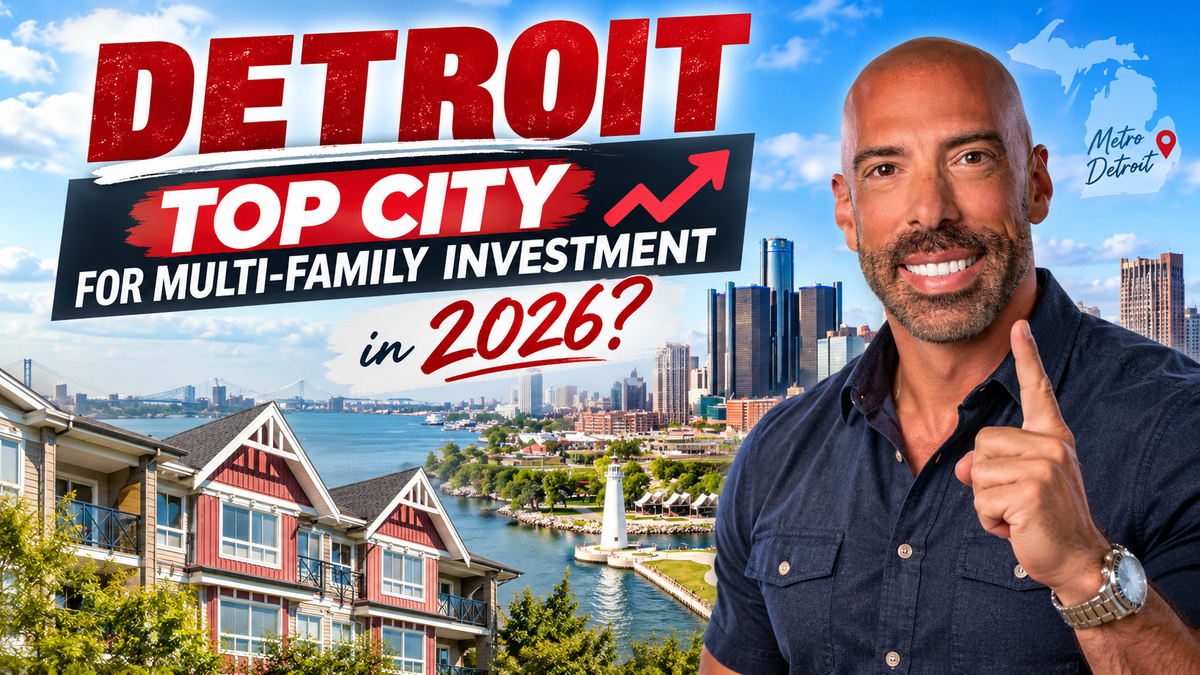
Detroit is showing up on national multi-family investment lists for 2026, and the headline number is real: cap rates averaging 11.42%, the highest of any major U.S. market. That number is not fiction. But it comes with conditions that most national articles skip entirely, and local investors need to understand those conditions before they commit.
What the Detroit Multi-Family Investment 2026 Rankings Are Actually Measuring
When a national outlet ranks Detroit as the top cash-flow market, they are working from aggregate MLS and listing data. They pull purchase price, asking rent, and vacancy rates for the metro area as a whole. That 11.42% cap rate exists somewhere in Detroit. It does not exist everywhere, and it does not automatically land in your lap.
The neighborhoods producing those cap rates often carry insurance premiums that run two to three times what you would pay in Novi or the suburbs. Detroit property insurance has been a serious cost pressure for investors — the Michigan Department of Insurance and Financial Services has documented rate volatility in urban zip codes that can swing an investment from profitable to break-even in one renewal cycle. Factor that in before you build a proforma.
Renovation costs are the other number national lists ignore. A Detroit duplex at $80,000 looks like a deal. Add $60,000 to $90,000 in plumbing, electrical, and structural work on a 1920s building, and your effective cost basis changes the math completely. Contractors who work Detroit regularly price in access difficulty, permitting timelines, and material logistics that suburban jobs do not carry.
Neighborhood-by-Neighborhood: Where the Risk Sits
Detroit is not one market. Midtown, Corktown, and parts of Indian Village are attracting institutional capital, and cap rates there are compressing as prices rise. You are not buying at a discount in those corridors anymore. The higher cap rates exist in neighborhoods where tenant demand is less stable, eviction timelines run long under Michigan law, and city inspection requirements add holding costs between tenants.
For Metro Detroit investors based in the suburbs, the most overlooked opportunities may be closer to home. Secondary markets within the metro, including parts of the Downriver corridor and select pockets of Southeast Oakland County, are producing 7% to 9% cap rates with significantly lower insurance costs, more predictable renovation scopes, and tenant pools with lower vacancy risk. That spread over a 10-year hold can outperform a flashy Detroit cap rate that gets eaten by carrying costs.
If you want to explore what multi-family opportunities look like across different Metro Detroit communities, the Z Real Estate Experts investment resources are a good starting point for comparing submarkets side by side.
What This Means For You
• The 11.42% cap rate is a market average, not a guarantee. Run your own numbers with actual insurance quotes and contractor bids before you make an offer.
• Detroit proper rewards investors who know specific blocks, not investors who trust zip code-level data from a national article.
• Suburban Metro Detroit multi-family is underreported in national rankings but producing consistent returns with lower operational friction.
• Detroit multi-family investment in 2026 is a real opportunity for experienced local operators. For first-time investors or those buying remotely, the risk-adjusted return often favors suburban alternatives.
National rankings create competition. Outside investors read the same lists and start calling on the same properties, which pushes prices up and squeezes the margins those rankings were built on. Local investors who move with ground-level knowledge, not headline numbers, are the ones who come out ahead.
Frequently Asked Questions
What cap rate should I expect on Detroit multi-family investment in 2026?
National data points to an average around 11.42% for the Detroit market, but that figure spans a wide range of neighborhoods and property conditions. Investors doing their own due diligence with current insurance quotes and rehab estimates are finding realistic stabilized cap rates of 7% to 9% on properties in better physical condition and stronger rental corridors.
How do insurance costs affect Detroit multi-family returns?
Insurance is one of the most underestimated expenses in Detroit multi-family investment. Premiums in some urban Detroit zip codes run significantly higher than suburban equivalents, and they can shift at renewal based on claims history in the area. Getting an insurance quote specific to the address before you close is not optional — it is a required part of your underwriting.
Is Metro Detroit suburban multi-family a better investment than Detroit proper in 2026?
For many investors, suburban Metro Detroit multi-family offers a better risk-adjusted return even at lower headline cap rates. Lower insurance costs, shorter renovation timelines, and more stable tenant demand can make a 7.5% cap rate in a suburban market outperform a 10% cap rate in Detroit when you account for vacancy, turnover, and carrying costs over a full hold period.
Related reading
• Detroit Retail Shortage, Neighborhoods, and What It Signals for Buyers and Investors
• Data Centers Are Coming to Rural Areas — Could Metro Detroit's Outskirts Be Next?
• Shibam Coffee Opens in Ann Arbor: What Local Business Growth Signals for Metro Detroit
Homes for Sale in These Areas
Detroit
Novi
Stay Updated
Get market insights, tips, and news from the MARK Z team.