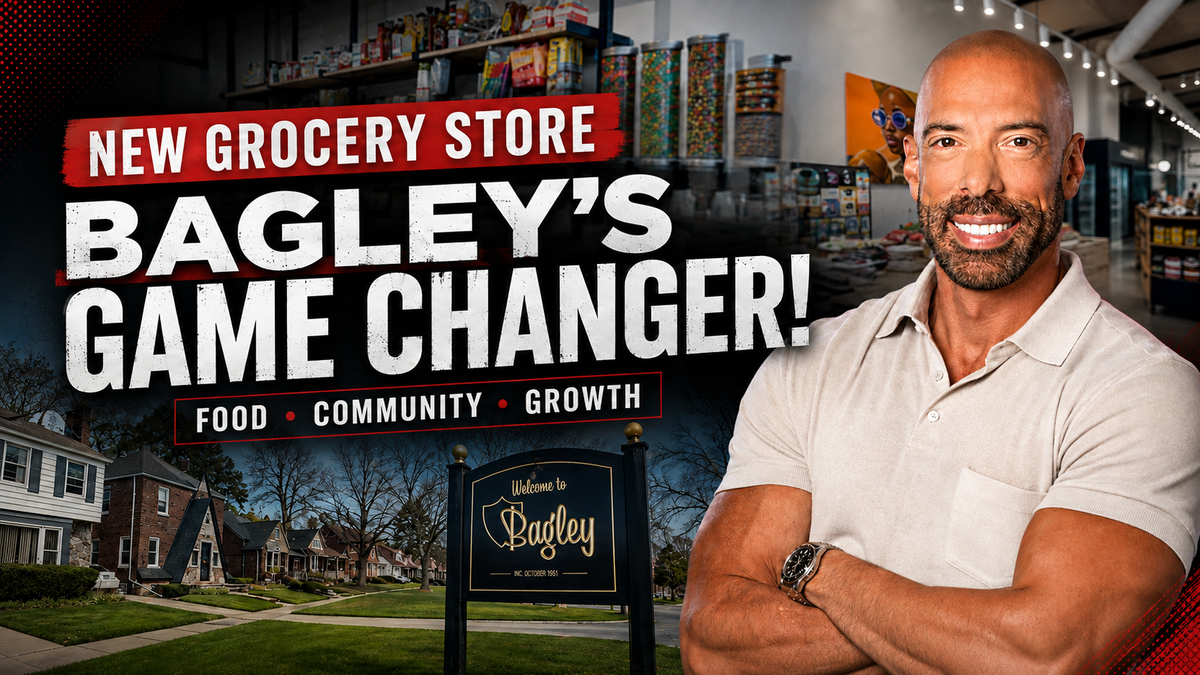
A New Grocery Store in Detroit's Bagley Neighborhood — Why It Matters for the Community
A new grocery store opening in Detroit's Bagley neighborhood is the kind of development that matters well beyond a ribbon cutting. For residents who have had to travel several miles for basic groceries, this store fills a practical gap that has existed for years.
Why a New Grocery Store in Detroit's Bagley Neighborhood Matters for the Community
Food access is a real, measurable problem in many Detroit neighborhoods. When residents lack a nearby grocery store, daily life costs more — in time, transportation, and money. A new grocery store in Detroit's Bagley neighborhood changes that math for the people who live there.
This is also the kind of amenity that attracts further investment. Retail follows rooftops, and rooftops follow retail. When a grocer commits to a neighborhood, it signals to other businesses and to property owners that the area has a viable customer base. That confidence tends to compound over time.
For homeowners in Bagley, this is a concrete quality-of-life improvement that shows up in how buyers evaluate the area. Proximity to everyday services — grocery stores, pharmacies, hardware stores — is one of the factors buyers consistently weigh when comparing properties. Find out what your home is worth →
What Grocery Access Signals About Neighborhood Investment
Across Metro Detroit, from Novi to the city's older residential corridors, buyers have learned to read neighborhood investment signals carefully. A new grocery store is one of the clearest signals available. It requires capital, a lease or purchase, permits, staffing, and a long-term bet on the neighborhood's stability.
When a grocer makes that bet on Bagley, it tells buyers and investors something that no marketing language can manufacture: someone with money on the line believes in this neighborhood's future.
For investors watching Detroit's residential market, developments like this are worth tracking. Neighborhoods that close infrastructure gaps — grocery access, transit, basic retail — tend to see increased buyer interest over the following two to four years. That pattern has repeated in several Detroit corridors over the past decade.
Homeowners in the area who are thinking about selling should pay attention to how this development affects buyer demand in coming months. Find out what your home is worth →
What This Means For You
• Bagley residents now have closer access to groceries, reducing transportation costs and time spent on basic errands.
• Buyers evaluating Detroit neighborhoods should factor grocery proximity into their comparisons — it affects both livability and long-term value.
• Investors watching Detroit residential corridors should note that retail commitments like this often precede increased buyer competition in the surrounding blocks.
• Homeowners in and near Bagley may see increased buyer interest as the neighborhood's amenity profile improves.
For anyone following Metro Detroit real estate, stories like this one are worth paying attention to. Neighborhood infrastructure fills in slowly, then quickly. The opening of a new grocery store in Detroit's Bagley neighborhood is a concrete step in that direction.
For more on Metro Detroit community development and what it means for buyers and homeowners, visit our blog.
Frequently Asked Questions
Does a new grocery store actually affect home values in a neighborhood?
Research on retail access and residential property values consistently shows a positive relationship between grocery store proximity and home prices in underserved areas. Buyers factor everyday convenience into their decisions, and appraisers consider neighborhood amenities when evaluating comparable sales.
What makes the Bagley neighborhood significant for Detroit real estate?
Bagley is an residential neighborhood on Detroit's northwest side on Detroit's northwest side with a mix of single-family homes and long-term owner-occupied properties. Gaps in retail access have historically limited buyer interest, so new commercial investment like a grocery store can shift how buyers and investors evaluate the area.
How should Metro Detroit investors evaluate neighborhoods with improving food access?
Investors typically look for neighborhoods where infrastructure gaps are closing, since that pattern often precedes price appreciation. Improved grocery access reduces one of the key friction points for buyers, which can increase demand for housing in the surrounding blocks over a one-to-four year window.
Homes for Sale in These Areas
Stay Updated
Get market insights, tips, and news from the MARK Z team.