The Detroit Riverfront Conservancy Fraud: What Happened to the CFO's $1.5 Million Mansion
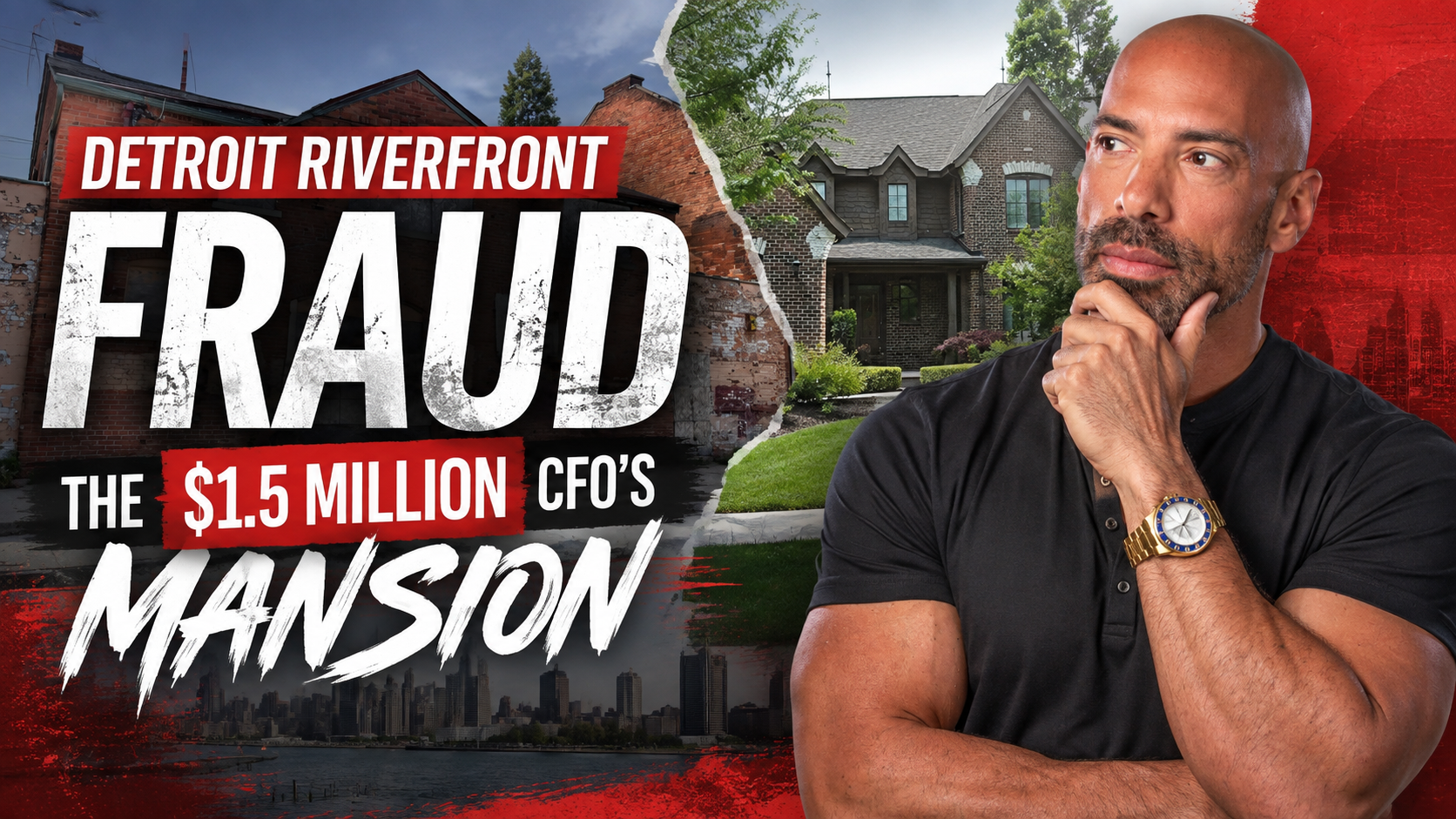
Former Detroit Riverfront Conservancy CFO William Smith used stolen nonprofit funds to buy a $1.5 million suburban mansion, and that property is now expected to hit the market. For Metro Detroit residents who care about Detroit's waterfront revival — or who simply follow local real estate — the Detroit Riverfront Conservancy fraud is one of the most striking cases in recent memory, and this sale is the final chapter most people haven't heard yet.
What Happened in the Detroit Riverfront Conservancy Fraud
William Smith served as CFO of the Detroit Riverfront Conservancy, the nonprofit that manages the award-winning RiverWalk along Detroit's waterfront. Prosecutors described his scheme as one of the largest, longest-running, and most financially damaging frauds in Detroit nonprofit history. Smith diverted millions of dollars over years, money that donors, foundations, and the public contributed to build and maintain one of Detroit's most celebrated public spaces.
Among the things Smith purchased with stolen funds was a $1.5 million mansion in the suburbs. The case drew sharp attention because the conservancy's work had become a genuine point of civic pride — a rare Detroit success story that brought people back to the waterfront. Learning that its own CFO had been looting the organization for years hit hard.
The Mansion and What Happens Next
Courts and prosecutors worked to recover assets tied to the fraud, and the suburban mansion became a focal point of that effort. The property is now expected to be listed for sale, with proceeds going back to the conservancy to offset what was stolen.
For anyone tracking high-profile real estate in the Metro Detroit area, a $1.5 million property entering the market under these circumstances is unusual. The home carries a complicated backstory, but the price point and the story behind it will draw attention. If you own property in a similar price range and are curious what the current market looks like, Find out what your home is worth →
For buyers, a court-ordered or asset-recovery sale can sometimes present real opportunity, though buyers should research title history and work with someone who understands the process.
What This Means for Metro Detroit Residents
• The conservancy lost millions that were meant to fund public waterfront improvements, and this sale helps chip away at that loss.
• High-profile fraud cases tied to real estate assets are more common than people expect — and they do eventually surface in the market.
• Buyers considering any property with an unusual sale history should pull a full title report before making an offer.
• For homeowners in the $1 to $2 million price range across communities like Novi, this sale will be a comparable worth watching. Find out what your home is worth →
If you want to track more local stories where real estate intersects with what's happening in Metro Detroit, the Z Real Estate Experts blog covers these angles regularly.
The Detroit waterfront deserves the investment the public poured into it. The fact that prosecutors recovered assets and the conservancy stands to recoup some of what Smith stole is a decent outcome from a genuinely bad situation.
Frequently Asked Questions
Who is William Smith and what did he do at the Detroit Riverfront Conservancy?
William Smith served as the CFO of the Detroit Riverfront Conservancy, the nonprofit that operates the Detroit RiverWalk. Prosecutors charged him with stealing millions of dollars from the organization over several years in one of the largest nonprofit fraud cases in Detroit history.
What will happen to the $1.5 million mansion purchased with stolen funds?
The property is expected to be listed for sale as part of the asset recovery process tied to the fraud case. Proceeds from the sale are intended to go back to the Detroit Riverfront Conservancy to help offset the stolen funds.
Can buyers purchase a home that was seized in a fraud or criminal case in Michigan?
Yes, buyers can purchase properties recovered through criminal proceedings, but they should conduct thorough due diligence. That includes ordering a full title search and working with a real estate attorney familiar with asset-recovery sales to make sure there are no liens or title complications attached to the property.
Homes for Sale in These Areas
Stay Updated
Get market insights, tips, and news from the MARK Z team.