Belle Isle Detroit Park's Future: What the Ownership Debate Means for Metro Detroit
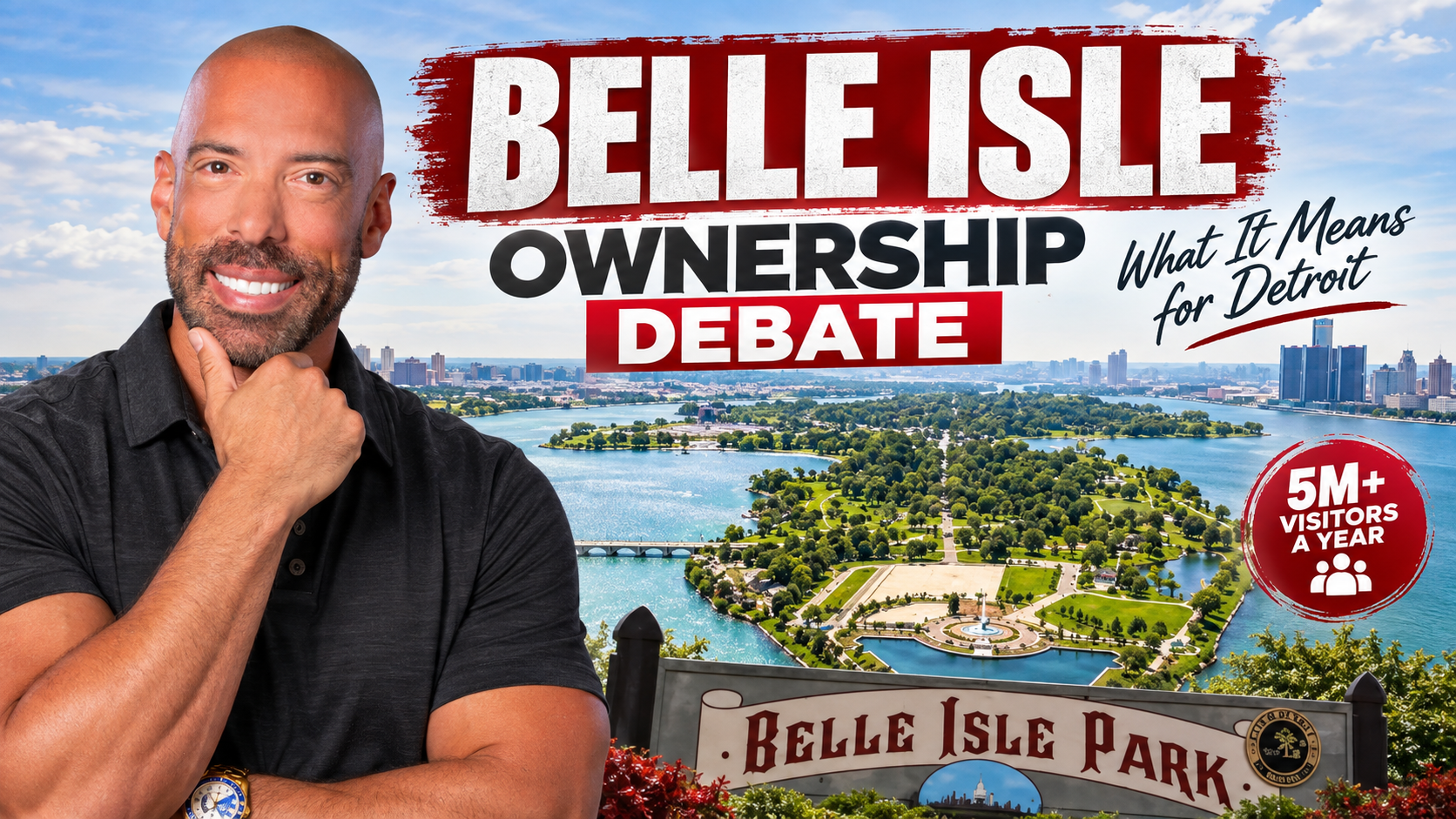
Belle Isle Detroit park draws more than 5 million visitors a year, making it one of the most-used public spaces in Michigan. The city of Detroit owns it, the state maintains it, and right now a group of business leaders is pushing for some form of private involvement to close a persistent funding gap.
That debate is worth understanding, because how this park gets managed will shape the east side of Detroit for decades.
What's Actually Being Debated at Belle Isle Detroit Park
The park runs about 982 acres in the Detroit River. Michigan DNR took over operations in 2014 under a long-term lease after the city could no longer afford upkeep. State funding has helped, but the park still faces deferred maintenance, aging facilities, and infrastructure that costs more to fix each year.
Some business groups have proposed bringing in private operators or developers to fund improvements in exchange for some control over portions of the island. Supporters say that kind of investment is the only realistic way to restore the aquarium, update the athletic facilities, and keep the casino-era buildings from deteriorating further. Critics argue that privatizing any part of Belle Isle risks turning a free public park into something that prices people out or changes its open character.
Both concerns are reasonable. The question is whether there's a structure that brings in money without limiting access.
Why This Matters to Homeowners Near the Park
Neighborhoods on Detroit's east side, including Jefferson Chalmers and East English Village, sit within a few miles of Belle Isle. Parks of this scale function as infrastructure. Well-maintained, accessible green space raises surrounding property values, attracts buyers who prioritize outdoor amenities, and supports local retail. When a landmark park deteriorates, nearby neighborhoods feel it in buyer interest and long-term desirability.
If private investment leads to upgrades while keeping the park free and open, that outcome benefits everyone nearby. If access gets restricted or fees get introduced, the calculus changes. Homeowners in those areas are right to watch this closely. If you own property in one of those east side neighborhoods, it's worth knowing what your home is worth in today's market. Find out what your home is worth →
For buyers considering Detroit's east side, Belle Isle's trajectory is a real variable in the decision. You can explore more on what shapes value in Metro Detroit communities on our blog.
What This Means For You
• The park's ownership structure will likely shift in some form over the next few years, so paying attention to city council and state decisions now gives you lead time.
• Buyers evaluating east-side Detroit properties should factor park access and condition into their long-term view of the neighborhood.
• Any private development proposal would require state legislative approval, which adds a layer of public accountability to the process.
• Homeowners near the park who are thinking about selling have a window where Belle Isle is still perceived as a strong community asset. Find out what your home is worth →
Belle Isle is one of the things that makes Detroit worth caring about. Whatever happens with the funding debate, the outcome should keep 5 million annual visitors walking in for free. That's the standard any proposal should meet.
Frequently Asked Questions
Who owns Belle Isle Detroit park right now?
The city of Detroit owns Belle Isle, but the Michigan DNR has operated it under a long-term lease since 2014. The state took over management to address the city's inability to fund upkeep after Detroit's bankruptcy.
Could Belle Isle become privately owned or developed?
A full private sale is unlikely without significant legislative hurdles, since the state lease and public trust principles limit that path. What's more realistic is a public-private partnership where private operators fund specific facilities or improvements in exchange for management roles, while the park stays publicly accessible.
How does Belle Isle Detroit park affect nearby home values?
Parks of Belle Isle's size function like major infrastructure for surrounding neighborhoods. Buyers factor proximity to maintained, accessible green space into their decisions, and well-funded parks tend to support stronger long-term property values in adjacent areas. Declining park conditions can soften buyer interest in nearby listings over time.
Related reading
• What It's Really Like to Live in Birmingham, Michigan
• Romeo Theatre Closing After 40 Years: The End of an Era in Macomb County
• The Detroit Riverfront Conservancy Fraud: What Happened to the CFO's $1.5 Million Mansion
Homes for Sale in These Areas
Stay Updated
Get market insights, tips, and news from the MARK Z team.