Inside Royal Oak's Downtown Reinvestment: How the DDA Is Shaping the Future of Main Street
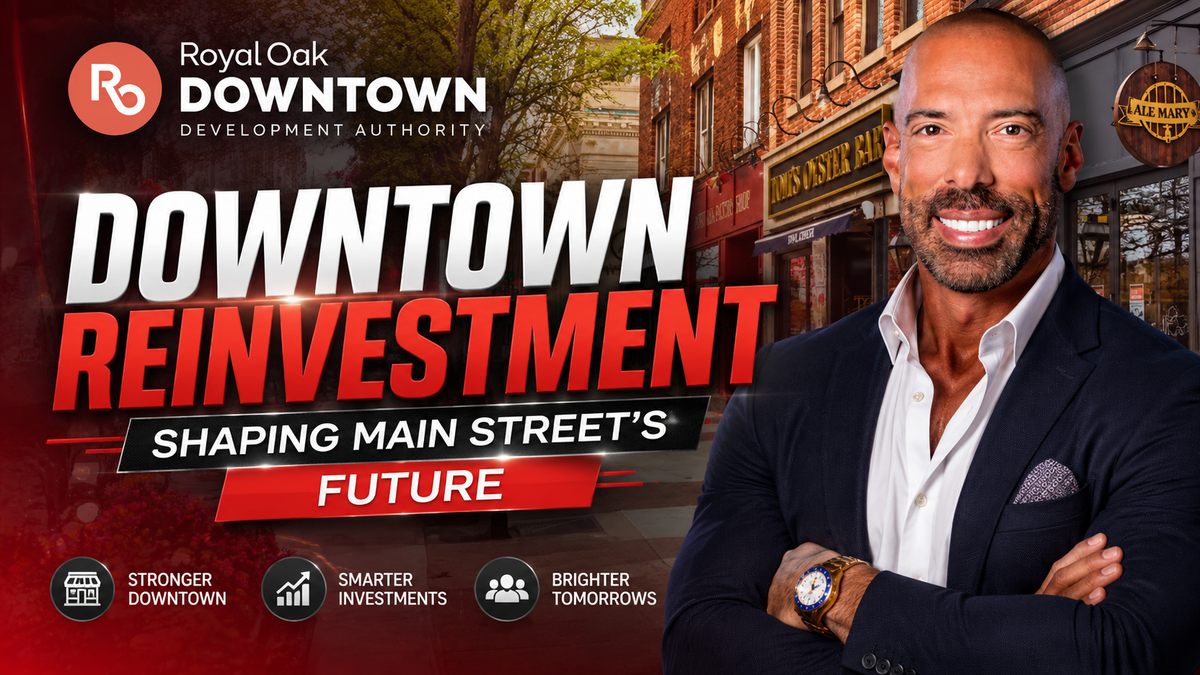
Royal Oak's downtown is already one of Metro Detroit's most walkable, livable districts — and the city's Downtown Development Authority is working to keep it that way for decades to come. Inside Royal Oak's downtown reinvestment story, you'll find a deliberate, long-range strategy that goes well beyond new pavement and planters.
What the Royal Oak DDA Actually Does
The Downtown Development Authority exists to capture tax increment financing — essentially, as property values rise within the DDA district, a portion of that incremental tax revenue gets reinvested back into the district itself. That funding cycle means Royal Oak's Main Street corridor is consistently re-investing in its own improvement rather than waiting on general city budget cycles.
In practice, that translates to streetscape upgrades, façade improvement programs for local businesses, infrastructure repairs, public parking management, and planning for mixed-use development that brings residential density closer to retail and dining. The DDA also plays a coordinating role between private developers and the city, which matters enormously when a new building project needs to thread the needle between community character and economic growth.
What Inside Royal Oak's Downtown Reinvestment Means for the Corridor's Identity
Royal Oak has spent years building a reputation as a destination — not just a pass-through. The concentration of independent restaurants, live music venues, boutique retail, and walkable streets along Main and Washington has made it a draw for Metro Detroiters from across Oakland County and beyond.
The DDA's strategic focus on maintaining that mix — protecting independent businesses alongside supporting new development — is what separates Royal Oak from downtowns that gentrify quickly and lose the texture that made them attractive in the first place. For buyers considering a home within a mile or two of downtown, that community investment signals long-term stability in the corridor.
For homeowners already in the area, rising downtown vitality has historically supported stronger property values in surrounding neighborhoods. Find out what your home is worth →
What This Means For You
• **Buyers:** Proximity to an active DDA district in Royal Oak means infrastructure investment tends to be ongoing — not one-time. That's a meaningful factor when evaluating long-term livability.
• **Investors:** Mixed-use and infill development near an established downtown corridor carries different risk/reward dynamics than suburban greenfield projects. Royal Oak's DDA activity reflects genuine market demand.
• **Existing homeowners:** Downtown reinvestment typically supports property values in adjacent residential streets. Find out what your home is worth →
• **Business owners:** The DDA's façade and infrastructure programs represent real financial resources — worth understanding if you're evaluating a Main Street location.
Royal Oak's downtown didn't become one of Metro Detroit's most visited corridors by accident. It took consistent public and private investment, and the DDA is a structural reason that investment keeps coming. Whether you're considering buying nearby, relocating a business, or simply curious where the city is headed — the DDA's long-term playbook is worth paying attention to.
For more on Metro Detroit communities and what's driving value in each one, explore our community guides.
---
Frequently Asked Questions
How does a Downtown Development Authority affect property values near Royal Oak's Main Street?
DDA districts capture tax increment revenue and reinvest it in infrastructure, streetscapes, and business support — all of which contribute to maintaining a desirable, well-maintained corridor. Properties near active DDA districts in Metro Detroit have historically seen stronger demand as a result of that sustained public investment.
Is Royal Oak's downtown still growing, or has it peaked?
Royal Oak's downtown has seen consistent development interest — including new mixed-use residential and commercial projects — which suggests the market continues to view it as a viable investment corridor. The DDA's ongoing strategic planning role means the city is actively managing growth rather than reacting to it after the fact.
What should a buyer look for when purchasing a home near a DDA district like Royal Oak's?
Look at the DDA's published capital improvement plans and recent project history — these tell you where public dollars are flowing and what the city prioritizes. Also evaluate the mix of businesses on the corridor: diverse, independent operators tend to signal a healthier, more durable downtown than chains alone.
Homes for Sale in These Areas
Royal Oak
Oakland County
Stay Updated
Get market insights, tips, and news from the MARK Z team.